


Hurricane season is almost upon us. In addition to making sure you’re up to date on any necessary roof repairs and replacements, now is also a great time to familiarize yourself with the signs of storm damage. After a hurricane, the first thing you’ll want to do is take a look at your roof to make sure everything is where it’s supposed to be. And to do that, you’ll need to know how to spot roof wind damage.
We’re here to help with exactly that. As your local roofing partner, PITCH Roofing is going to help make sure you’re hurricane-ready. Once you’ve taken preventative steps to get your roof ready for hurricane season, the only thing left to do is familiarize yourself with the signs of wind damage!
How to Spot Roof Wind Damage in Florida

Wind damage can happen all across the United States, but hurricanes are a different ballgame entirely. And since hurricanes started being reliably tracked and recorded in 1851, Florida has seen the greatest number of these tropical storms by far. With hurricane seasons projected to become more active in the near future, it makes a lot of sense to prepare for some hurricane damage to your home.
Learning how to spot roof wind damage is one of the best things you can do to prep for hurricane season 2025. Let’s talk about some of the easiest ways to identify wind damage to your home or commercial structure!
Missing or Loosened Shingles
This is the most obvious way to spot roof wind damage — after a storm, you’ll want to take a look at your roof and see if you notice any missing shingles. If you can’t see all parts of your roof from your property, you may want to check your yard as well. After a major storm, it’s common to find missing shingles strewn about your property.
Sometimes, though, shingles are knocked loose without being completely removed. Lifted shingles might look slightly out of place or not aligned with other shingles in your roof. While these shingles are still on your roof, you should take this wind damage just as seriously as you would missing shingles!
Dents or Cracks in Your Shingles
When discovering how to spot roof wind damage, this is one of the trickier steps. From the ground, it can be hard to see if your shingles have taken any impact damage from storm debris. But if your shingles are cracked or dented, they won’t be able to protect your structure as effectively.
One option is to get on your roof and look for bald patches or cracks on your shingles. If you can’t or don’t want to get on your roof, another strategy is to inspect your downspouts. You’ll know that your shingles have been damaged if you find stone granules near your downspouts.
Damaged Gutters
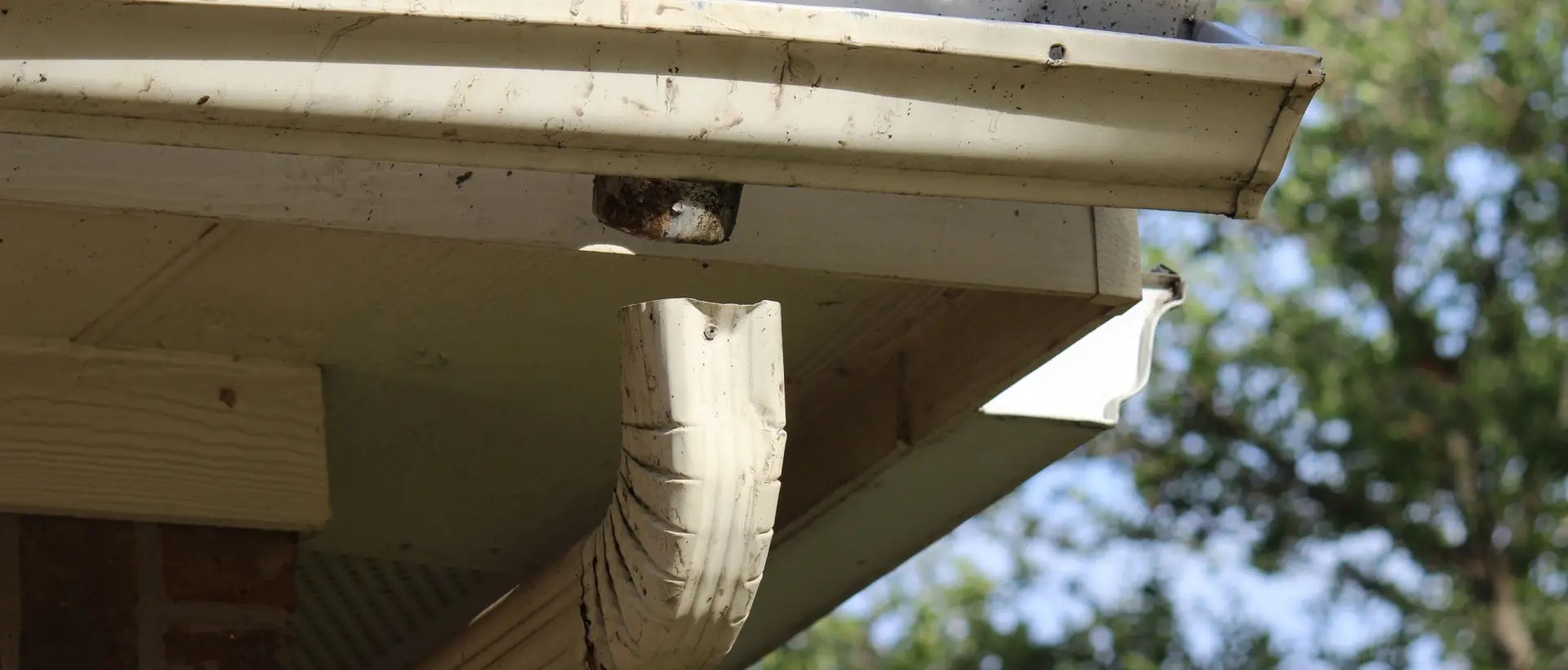
A lot of people get wrapped up in their shingles. However, there are other parts of your roofing system to examine when learning how to spot roof wind damage. During a hurricane, high winds can tear your gutters away from your structure. And if you system was old, it could even crack under the pressure.
That’s why you’ll want to take a walk around the perimeter of your structure and make sure your gutters are still in place. Additionally, it doesn’t hurt to make sure water is still being directed to your downspouts. Hurricanes tend to knock leaves and branches off trees, which can lead to them clogging up your gutters!
Water Leaks
Spotting roof wind damage is not always easy. Even if you don’t see signs of storm damage, a leak immediately after a hurricane means that some part of your roof isn’t working properly. The best thing you can do is tarp your roof to prevent more damage from happening. However, we understand that not everyone can or is comfortable getting up on a roof. You can also place a bucket under the leak to catch water until contractors can come take a look if you prefer!
What to Do After You Spot Roof Wind Damage
Once you’ve identified that your roof has been damaged, you’ll want to reach out to a professional team to help. Any of these signs of roof wind damage could do long-term harm to your roof if not addressed. There can be significant wait times after a hurricane, so it’s best to call your trusted roofers ASAP!
After calling in help, there is another important step to take. Most homeowners insurance policies will cover damage caused by hurricanes and other storms with high winds. However, to qualify for coverage, you’ll need to prove that the damage was caused by high winds.
To get started, take photos of any and all damage to your roof. If you find shingles in your yard, take pictures of those as well. When submitting your claim, you’ll want to include the photos as well as a local article about the storm to demonstrate that there really was a severe weather event in your area. For more information on how to submit a claim after a hurricane, check out our guide!
No matter what signs of roof damage you notice, PITCH Roofing will be there to make sure the problem is addressed. As veteran Florida roofers, we don’t believe in patch jobs. Instead, we believe in clear communication, great workmanship, and above all else, roofing done right!
Get a Free Roof Repair Estimate from PITCH
Nobody wants to find out that their roof needs repairs. And after a hurricane, we all hope we don’t see signs of roof wind damage. But if you do see signs of storm damage, it’s important to act quickly. Otherwise, you could run the risk of damage spreading throughout your roofing system.
That’s why PITCH makes it quick and easy to start the roofing process. It all begins with a free roofing estimate, where we’ll examine your roof and draw up plans for a long-term solution. To sign up for your free roof repair quote, call us at 727-677-4824 or schedule your estimate online!
Knowing how to spot roof wind damage is an important first step in protecting your property. The next step is getting help when you need it. If you see signs of storm damage on your roof, don’t hesitate to reach out to PITCH. As experienced Florida roofers, we’ve got the skills and know-how to get the job done right!

Heather Ware is an In-House Roofing Specialist at PITCH Roofing. Working daily alongside our internal roofing teams, she translates complex Florida building codes and roofing techniques into clear, actionable advice for homeowners. With 4 years of experience in the Florida roofing industry, her goal is to ensure property owners have the exact facts they need to protect their investments.

