


Sometimes, a roof leak is a problem every single time it rains. Other times, however, you may only notice an issue during severe weather. This can be confusing, since it leaves ambiguity about whether or not you actually have a roof leak. If your roof leaks in heavy rain but stays dry the rest of the time, we can tell you why it may be happening and what you can do about it.
We’re PITCH Roofing, a full-service roofing company made up of local veteran contractors. Leaks are a common problem for Florida homeowners, and in our many years as Florida roofers, we’ve fixed more than our fair share. Stick with us as we cover why your roof leaks in heavy rain and what it means for the safety of your home!
Why Does My Roof Only Leak in Heavy Rain?

If your roof leaks at all, it’s because there’s a vulnerability somewhere in your roofing system. For big issues like missing shingles, you’ll likely experience a leak every time it rains. However, it’s possible for your roof to sustain minor damage that causes it to leak only during severe weather events.
Some homeowners are unsure if these issues are as serious as roofs that leak with any amount of rain. But we’re here to tell you that a roof that only leaks in heavy rain is just as serious as a roof that leaks all the time. Water damage to your roof is not something that you want to take lightly. While you could be dealing with minor roofing damage now, a leak is a sign that your roof needs help to prevent water damage from spreading throughout your roofing system.
While you should take this problem seriously, it’s hard to know what to do if you don’t know what’s causing this problem with your roof. Without inspecting your roof ourselves, we cannot tell you for sure why your roof is leaking. But we can tell you some of the most common reasons we see for roofs to only leak during severe weather!
Problems with Your Roof Flashing
Functional flashing is essential to preventing roof leaks in Florida. Flashing is a thin strip of metal along the valleys of your roof that directs water off your roof and toward your gutters. Installed at the low points of your roof and around vents and chimneys, flashing prevents water from getting trapped on your roof.
If your roof leaks in heavy rain but stays dry the rest of the time, it could be because of a problem with your flashing. Without flashing, water can settle in the valleys of your roof. This is especially likely during a storm, when heavy rain can quickly flood your roof.
Signs of damaged flashing include cracks of rust in your flashing. If you recently had work done, it’s also possible that your flashing was installed incorrectly. In either case, you’ll want to get help ASAP to fix your flashing and ensure that water is no longer pooling on your roof.
Damaged Soffits
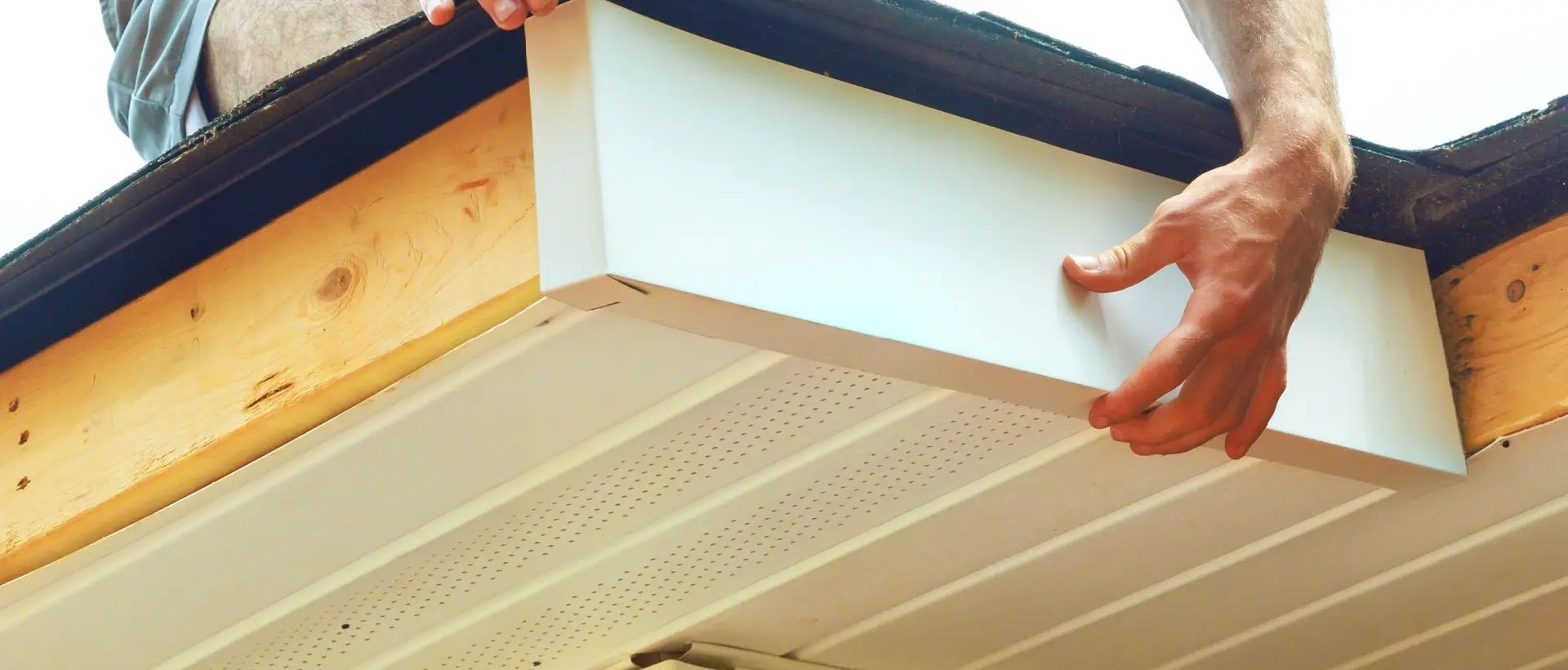
Soffits are another important safety feature of your roofing system. These flat boards run along the underside of your roof’s overhang. When working as intended, they prevent pests and water from getting into your roofing system from below.
When they’re damaged, however, a roof that leaks in heavy rain is a common symptom. That’s because winds during a storm can force wind up and under your roof, past damaged soffits. In this way, your roof would stay dry during a light shower but start leaking during a storm.
If you take a look at your soffits, look for areas with holes in them or chipped paint. Your soffits are closely connected with your decking, and if that sustains too much water damage, you could be looking at structural damage to your roof. In the worst-case scenario, this could take your job from a roof repair to a roof replacement!
Pipe Boot Cracks
Your roof has at least one, but may have several, pipe sticking out of it. We call these plumbing vents, and they’re essential in keeping the plumbing functional in your home. Around the base of these pipes is a thick protective feature called a pipe boot, which keeps water from using the space around the pipe to enter your home.
Typically, pipe boots are made of neoprene, a kind of extra-durable rubber. While this rubber is hardy, it’s not immune to the harsh Florida sun. Over time, UV rays can cause the rubber to expand and contract. This repeated thermal expansion can break down neoprene and lead to cracks in your pipe boot.
Sometimes, these cracks are small enough that a light rain isn’t enough to cause an issue. If your roof leaks in heavy rain, though, it could be due to an issue with your pipe boots. Damaged pipe boots are one of the most common causes of roof leaks in general, so they’re definitely a prime suspect to consider!
Get a Free Roof Leak Repair Estimate
A roof leak is never something to take lightly. While a roof that leaks in heavy rain might not seem as serious, this is still water damage that’s making it through your roof, past your decking, and into your home. When you spot a roof leak, reach out to the friendly staff at PITCH Roofing right away. We’ll be happy to schedule you for a free estimate so we can identify how we can help you best!
To get a free, no-obligation leak repair quote, call us at 727-677-4824 or schedule your estimate online. We’ll come out to your home, take a look at your roof, and prepare a comprehensive quote that walks you through every part of your roof repair. At PITCH, we don’t believe in patch jobs that fix the issue today but don’t solve the core issue. Instead, we provide long-lasting solutions that you can count on.
When you’ve got a leak in your roof, even if it only leaks during storms, you need roofers you can trust. With deep roots in the local community and rave reviews from real Floridians, we’re the roofers you want working on your home. Come check out our approach to roofing done right and see just how easy roofing can be with the pros at PITCH!

Heather Ware is an In-House Roofing Specialist at PITCH Roofing. Working daily alongside our internal roofing teams, she translates complex Florida building codes and roofing techniques into clear, actionable advice for homeowners. With 4 years of experience in the Florida roofing industry, her goal is to ensure property owners have the exact facts they need to protect their investments.

