


Getting a roof replacement involves much more than choosing between tiles or shingles. Your roofing system is complex, and it has many different layers and parts. One of the most important, but most overlooked, is your water-resistant roof underlayment.
When you need help understanding all of the different types of roof underlayments, PITCH Roofing has your back. With years of experience with Florida roof replacements, we’re experts on all parts of your roofing system, including your underlayment. Stick with us as we explain this crucial part of your roofing system!
What Is a Roof Underlayment and Why Does It Matter?

Your roof has many different layers, but one of the most vulnerable is your decking. Usually made of plywood, this is the base on which the rest of your roof sits. And while roofing materials like shingles and metal go a long way in protecting your roof, they can’t keep out 100% of the water that hits your roof.
That’s where your roof underlayment comes in. Available in a variety of different water-resistant materials, your underlayment keeps your decking dry and free of rot and mold. In other words, it keeps the base of your entire roofing system from falling apart, so it’s among the most important parts of your roof.
In addition to this massive boon for your roof’s water resistance, roof underlayments also offer a variety of secondary benefits. These include insulation for your home, keeping out the hot air during the summer, as well as soundproofing that can help your roof stay quiet during a rainstorm, which is especially helpful for metal roofs.
Types of Roof Underlayments in Florida
Now that we’ve covered the basics of what a roof underlayment is, it’s time to discuss your options when it comes time to replace your roof. In Florida, three materials in particular dominate the roofing scene: rubberized asphalt, felt, and synthetic roof underlayments. Now, let’s look at the good and the bad of each of these underlayments to help you pick which one is right for your home!
Rubberized Asphalt Underlayments
When you hear the phrase “peel and stick,” it’s referring to rubberized asphalt underlayments. And you probably will hear the phrase somewhere during your roof replacement, because these water-resistant protections are extremely popular in Florida right now. But what are they?
Rubberized asphalt can be across your decking or in specific sections, and its unique combination of tough asphalt and waterproof rubber makes it ideal for keeping your decking dry and secure. Some of the things that Florida homeowners enjoy about these underlayments is their:
- Quick and easy installation, which helps lower roof replacement costs
- Top-quality water resistance
- Hardy durability and the potential to last for as long as 30 years or more
- Thick insulation that helps cool your home in the summer
These are all great pros to see in a roof underlayment, but peel and stick has its cons too. For one thing, they’re extremely hard to remove. This is good news when you’re getting it installed and want protection, but bad news when you need to replace your underlayment. As a result, you may have to replace extra parts of your decking during your next roof replacement.
Felt Underlayments
For a long time, felt roofing was the gold standard in roof underlayments. With new advances in roofing technology, though, felt has largely fallen to the wayside. Still, it’s worth looking at felt underlayments at least to understand how far modern roofing has come.
Felt worked as an additional layer to protect roof deckings from water damage. However, unlike rubberized asphalt, felt isn’t really waterproof. Rather, it would absorb water with time, leading to mold and rot. To make matters worse, even in the best-case scenario, felt underlayments rarely lasted much longer than 10 years.
In 2024, very few roofers even offer felt underlayments, and you should probably be suspicious of those that do, outside of extremely unique circumstances. Between rubberized asphalt and synthetic roof underlayments, there are simply better options on the market.
Synthetic Underlayments
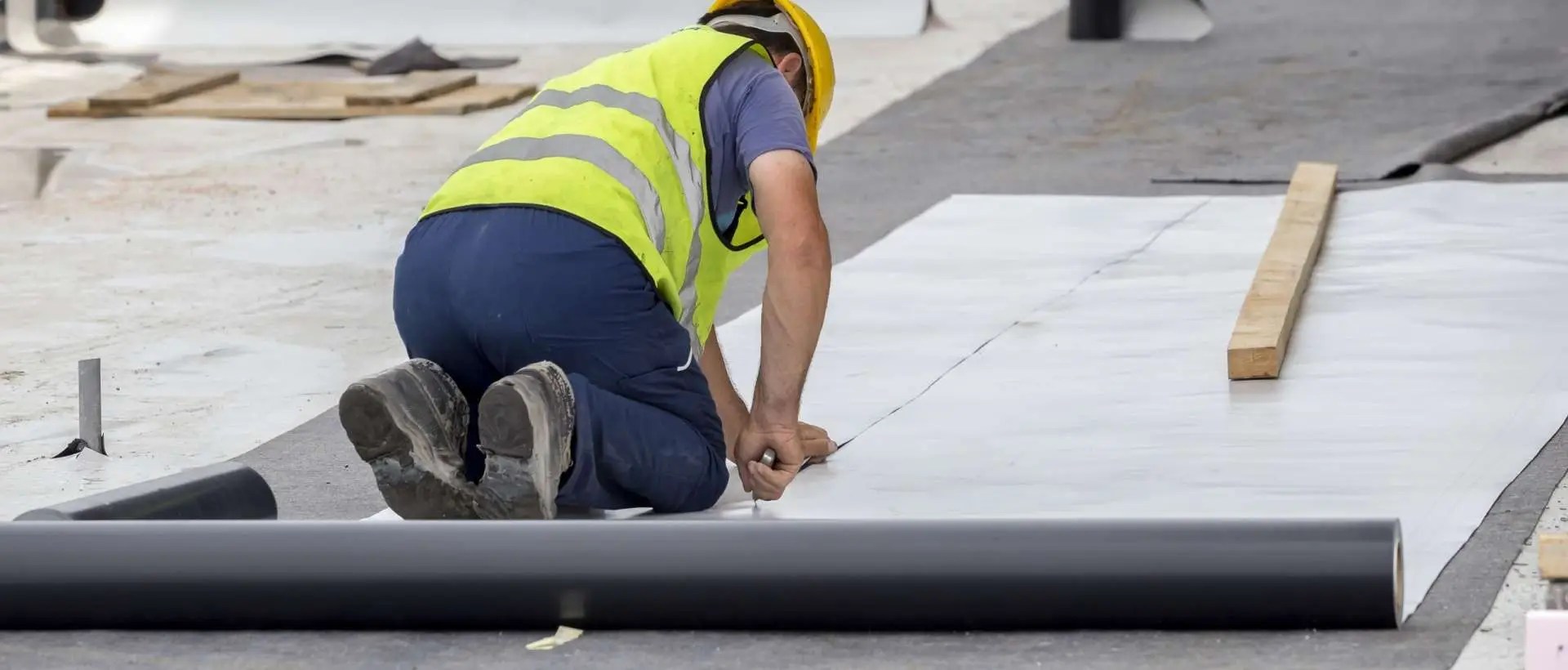
Nowadays, synthetic underlayments have become the go-to option for roof replacements. Made with a special blend of polypropylene fibers, this roof underlayment option is every bit as water-resistant as peel and stick. So what has made it so popular in Florida?
Synthetic underlayments offer a lot of benefits for local homeowners. Some of the biggest draws include:
- Extreme durability that won’t break down when exposed to water
- Being thin and lightweight so there’s no extra pressure no your roof decking
- Lasting for 25-50 years, longer than any other type of roof underlayment
- Required for some types of home warranties
In terms of durability, there’s simply no beating synthetic underlayments. If they have any cons, it’s that they cost more than other types of roof underlayments. But for the kind of long-term protection and reliability that they offer, they’re certainly worth the extra investment in your home.
Get Your Free Roof Replacement Estimate
You deserve a high-quality roof replacement. In addition to your chosen roofing materials, this also needs to include a high-quality roof underlayment. Whether you want to go with a synthetic underlayment or you prefer peel and stick, Pitch has veteran roofers who are ready and waiting to help.
To get your free, no-obligation roofing estimate, call us at 727-677-4824 or schedule your estimate online. When our friendly roofing expert comes to give your roof a quick inspection, they’ll be happy to answer any and all of your questions about roof underlayments so that you can get the best option for your home and your budget. Because at Pitch, our first priority is always getting our customers what they want!
As a local roofing company, Pitch is made up of real Florida roofers with decades of experience. Let us show you how we can make your next roof replacement easier and simpler than any other roofers in Florida!

Heather Ware is an In-House Roofing Specialist at PITCH Roofing. Working daily alongside our internal roofing teams, she translates complex Florida building codes and roofing techniques into clear, actionable advice for homeowners. With 4 years of experience in the Florida roofing industry, her goal is to ensure property owners have the exact facts they need to protect their investments.

