


What Is a Flat Roof Membrane?

A flat roofing membrane is a rubberized or plasticized water-resistant roofing material. While we call it “flat” roofing, the truth is that flat roof membranes go on low slope roofs — roofs with a slope of ¼” per horizontal foot. Unlike shingles, these roofs are not in great danger from high winds. Instead, your flat roof needs to withstand exposure to a lot of moisture.
Thankfully, flat roof membranes are perfect for withstanding water exposure. As either a single ply or a built-up system, these membranes form a watertight seal around your roof. This dependable protection makes them popular for both commercial and residential structures in Florida.
Types of flat roofing materials vary quite a bit. There are rubber roofs (thermoset membranes), plasticized roofing materials (thermoplastic membranes), and an asphalt-based material called modified bitumen. To give you a better idea of performance, let’s take a closer look at each of these types of flat roof membranes.
Types of Membrane Flat Roofing
With several types of flat roof membranes on the market, it’s worth considering which type can best suit your needs. While each of these flat roofing materials is viable in Florida, some perform better than others or perform better in different circumstances. Let’s examine each one so you can make an informed decision for your property!
EPDM
EPDM, ethylene propylene diene monomer, is a rubber flat roof membrane. Also called a thermoset membrane, EPDM has been a popular roofing option since the 60s. Made of synthetic rubber, EPDM creates a watertight barrier around your roof while also resisting Florida’s most hazardous weather conditions.
For Florida flat roofs, UV exposure is a serious problem. But rubber roofs like EPDM have no problem expanding and contracting with the sun’s heat, protecting your roofing material and preventing premature degradation. As a result, these roofs require less maintenance than other flat roof membranes.
Potential downsides for EPDM are few, but you should be aware that it mostly comes in black. As a result, it attracts UV rays, which can heat up your structure in the summer and require your HVAC system to work harder. This, in turn, will increase your energy bills. Reflective options may be available, but those are subject to supply chain issues that could affect availability.
TPO
Thermoplastic polyolefin, TPO, is a plasticized flat roof membrane, AKA a thermoplastic membrane. A relative newcomer having hit the market in the 90s, TPO has changed the face of flat roofing. Made from durable synthetic polymers, TPO is able to resist puncture damage better than most other flat roof membranes on the market.
Another considerable advantage of TPO roofing is its white coloring. Lighter colors reflect UV rays, which both slows UV damage and keeps your structure cooler, resulting in energy savings during the hottest months of the year. For this reason, TPO is quickly becoming the most popular flat roof membrane in Florida.
That said, TPO roofs do show dirt faster than other roofing materials due to their white membranes. This makes them less popular for structures like hospitals where parts of the roof are visible from the inside. Still, with a bit of seasonal cleaning, there’s no reason you can’t have a pristine white TPO roof in Florida.
Modified Bitumen
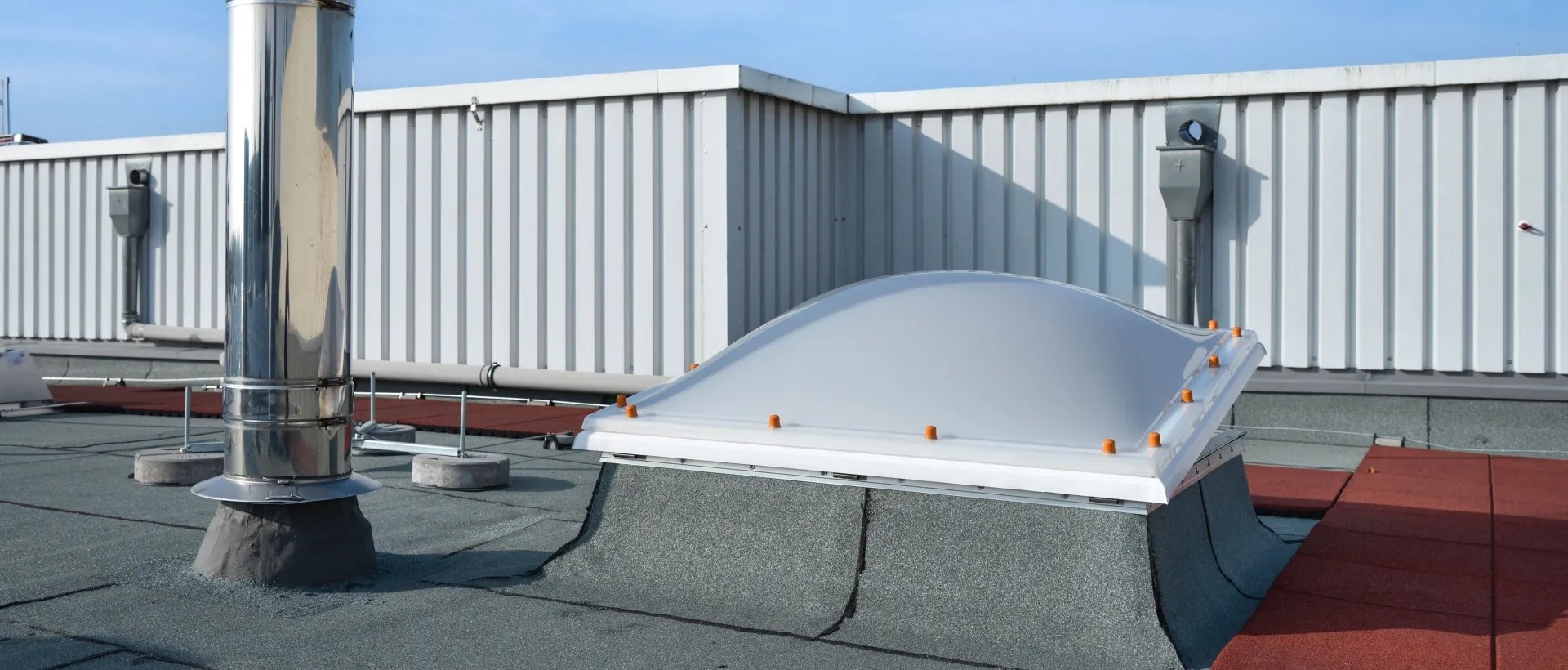
Modified bitumen, mod bit, is a flat roof membrane made with a rubberized asphalt base. Unlike other flat roof membranes on this list, mod bit is made of multiple layers. Both its asphalt composition and its multiple layers make it more resistant to damage from storm debris and hail and more hardy overall.
Because of its improved tensile strength, mod bit can withstand foot traffic better than other flat roofing materials. It’s also the lowest-cost flat roof membrane on this list, making it popular among those seeking affordable roofing solutions.
There are notable downsides to mod bit flat roofing, though. It only lasts for 15 to 20 years, as opposed to the 20 to 25 years of EPDM and TPO. It also has less water resistance than other flat roof membranes. While it’s made of a rubberized material, it can’t withstand as much water exposure as TPO or EPDM. For this reason, it tends to be more popular for small residential projects than large commercial roof replacements.

Heather Ware is an In-House Roofing Specialist at PITCH Roofing. Working daily alongside our internal roofing teams, she translates complex Florida building codes and roofing techniques into clear, actionable advice for homeowners. With 4 years of experience in the Florida roofing industry, her goal is to ensure property owners have the exact facts they need to protect their investments.

